How to Meet NJ Auto Insurance Requirements
NJ auto insurance requirements set the legal floor for driving in New Jersey. They include liability coverage, Personal Injury Protection (PIP), and uninsured/underinsured motorist protection. Because New Jersey is a no-fault state, your policy also helps pay medical costs after an accident, regardless of who caused it.
What are the NJ auto insurance requirements?
New Jersey drivers must carry auto insurance before operating a registered vehicle. Your policy must generally include:
- Liability coverage for injuries or property damage you cause to others
- Personal Injury Protection (PIP) for medical expenses and certain related costs
- Uninsured and underinsured motorist coverage for accidents involving a driver with little or no insurance
New Jersey offers a Basic Policy and a Standard Policy . The Basic Policy usually costs less, but it provides limited protection and may not include enough coverage for many drivers. The Standard Policy is more flexible and typically offers stronger protection choices.
New Jersey minimum liability coverage
New Jersey’s minimum liability limits depend on the policy type and coverage selection. In general, the state requires drivers to carry coverage for:
- Bodily injury to other people
- Property damage to another person’s vehicle or property
- Medical costs and related expenses through PIP
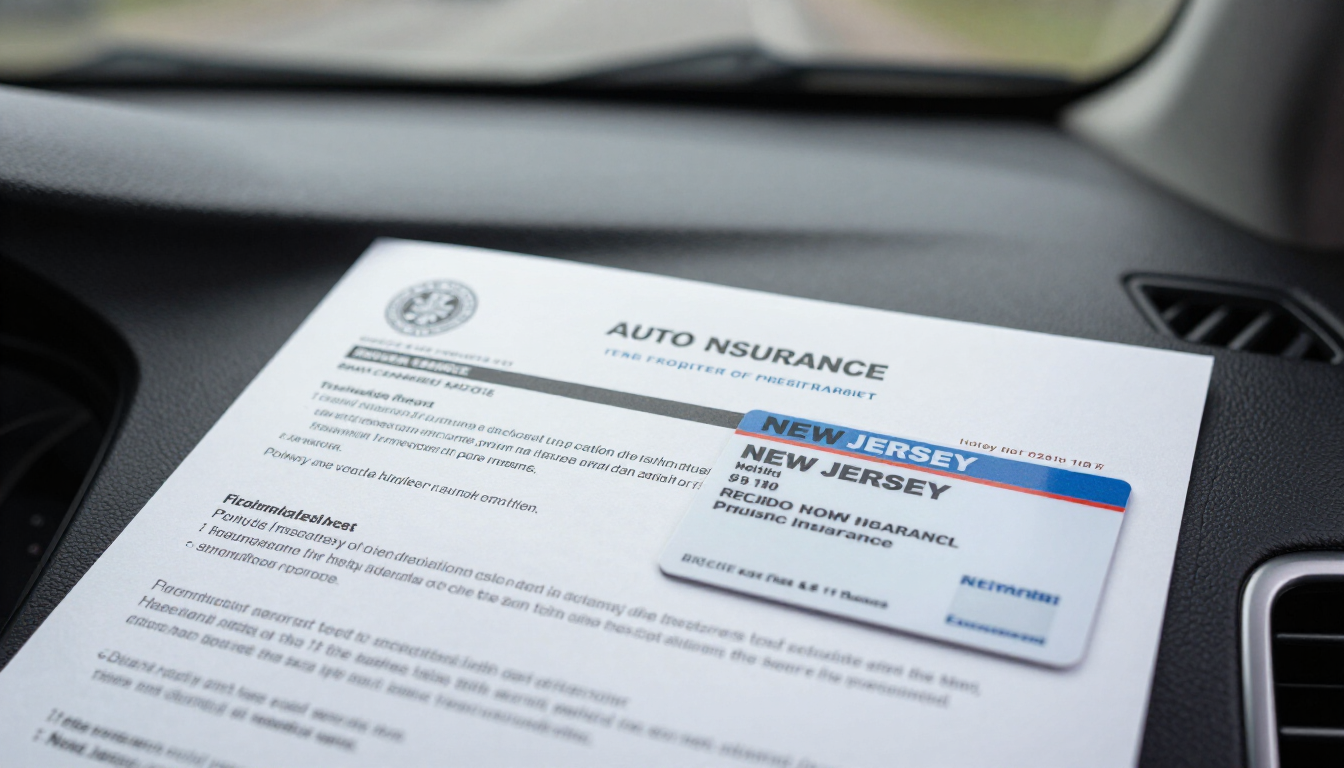
The exact limits can vary based on whether you choose a Basic or Standard Policy. Your declarations page lists your current limits, deductibles, and selected options.
Because state rules and available policy options can change, it is smart to confirm your limits with a licensed New Jersey agent rather than relying on an old insurance card or online summary.
What is PIP coverage in New Jersey?
PIP stands for Personal Injury Protection. It helps pay for medical treatment after a car accident, whether you caused the crash or another driver did. This is one of the most important parts of understanding New Jersey auto insurance.
PIP may help cover:
- Hospital and doctor bills
- Diagnostic tests and rehabilitation
- Necessary medical transportation
- Certain essential services you cannot perform because of your injuries
- Lost income, depending on the coverage selected
PIP applies to injuries sustained in a covered accident, subject to your policy’s limits, deductible, copay, and coverage terms. It can also coordinate with your health insurance, depending on the option you select.
When choosing PIP, do not look only at the premium. Consider your health plan, household income, typical driving, and how much financial risk you could handle after a serious accident.
How does New Jersey no-fault insurance work?
New Jersey’s no-fault system means your own PIP coverage generally pays for your accident-related medical expenses first, regardless of who caused the crash. This can help injured people access treatment without waiting for an insurance company to determine fault.
“No-fault” does not mean nobody is responsible. Fault still matters for vehicle damage, liability claims, and certain injury lawsuits. Your right to sue may also depend on the policy option you choose and the seriousness of the injury.
New Jersey drivers commonly choose between a Limited Right to Sue option and an Unlimited Right to Sue option under a Standard Policy. The choice affects legal rights and should be discussed carefully before you select coverage.
If you recently moved to Bergen County from another state, your previous policy may not match New Jersey rules. Drivers relocating to Ridgefield, Fort Lee, Palisades Park, or nearby communities should review their coverage soon after establishing residence and registering a vehicle.
Is state minimum auto insurance enough?
Usually, the state minimum is best viewed as a starting point—not a complete protection plan. Minimum coverage may satisfy the law but leave you exposed if an accident causes serious injuries, extensive property damage, or a lawsuit.
For example, consider these risks:
- A medical claim may exceed your PIP limit.
- A newer SUV or luxury vehicle may cost far more to repair than expected.
- A serious injury claim may exceed your liability limits.
- A driver with no insurance may leave you relying on your own uninsured motorist coverage.
- A financed or leased vehicle may require collision and comprehensive coverage beyond state minimums.
A practical policy review asks, “What could I afford to lose?” rather than only, “What is the cheapest legal policy?”
How much NJ auto insurance coverage should you carry?
The right amount depends on your vehicle, assets, household, commute, and comfort with financial risk. Many drivers consider limits above the legal minimum to better protect savings, income, and future earnings.
You may also want to evaluate:
- Collision coverage: Helps repair or replace your vehicle after a crash, subject to a deductible.
- Comprehensive coverage: Helps with theft, vandalism, flooding, falling objects, and other non-collision damage.
- Rental reimbursement: Helps pay for a temporary vehicle after a covered claim.
- Roadside assistance: Provides help for certain breakdown or emergency situations.
- Umbrella insurance: Adds liability protection above eligible home and auto policies.
Higher limits do not prevent accidents, but they can reduce the financial damage when something goes wrong. An independent agent can compare several carriers and explain the tradeoffs in plain language.

What coverage do new NJ residents need?
New residents should update their insurance when they move, not wait until registration or renewal creates a problem. Tell your insurer where the vehicle is primarily kept, who drives it, and how it is used.
A move from New York to New Jersey can affect your policy because the states have different insurance rules, no-fault systems, and rating factors. A policy written for another state may not provide the coverage required for New Jersey driving.
Before switching policies, gather:
- Your current declarations page
- Vehicle identification numbers and registration information
- Driver’s license details for household drivers
- Recent mileage and commuting information
- Any loan or lease requirements
Do not cancel your existing policy until the new coverage is active. A lapse can create financial risk and may affect future insurance pricing.
Common mistakes NJ drivers make
Even careful drivers can overlook important details. Watch for these common problems:
- Choosing the lowest limits without considering personal assets
- Assuming no-fault coverage pays for every loss
- Forgetting to add a newly licensed household driver
- Using an outdated address or garaging location
- Selecting a high deductible that would be difficult to pay
- Skipping uninsured and underinsured motorist protection
- Failing to review coverage after buying a home, changing jobs, or adding a vehicle
Review your policy at least once a year and whenever your household or driving situation changes. A short conversation can uncover gaps before a claim does.
A local way to review your policy
ACL Agency LLC is an independent property and casualty agency serving Ridgefield, Bergen County, and clients across New Jersey and New York. Because we work with multiple insurance carriers, we can compare options instead of presenting only one company’s policy.
Our team can help you understand PIP, liability limits, deductibles, and optional protection in straightforward terms. We also serve English- and Korean-speaking clients who prefer bilingual support.
Learn more about our Personal Insurance services or contact ACL Agency for a no-pressure coverage review.
Key takeaways for NJ drivers
NJ auto insurance requirements include liability coverage, PIP, and protection for accidents involving uninsured or underinsured drivers. New Jersey’s no-fault system means your own PIP generally helps pay medical expenses first, but it does not eliminate fault or guarantee full financial protection. State minimums may be legal without being adequate for your vehicle, income, or assets. Review your limits, deductibles, PIP choices, and optional coverage before renewal—and especially after moving to Bergen County. The next step is simple: compare your current declarations page with your actual risks and ask an independent agent to explain any gaps.
Recent Posts